
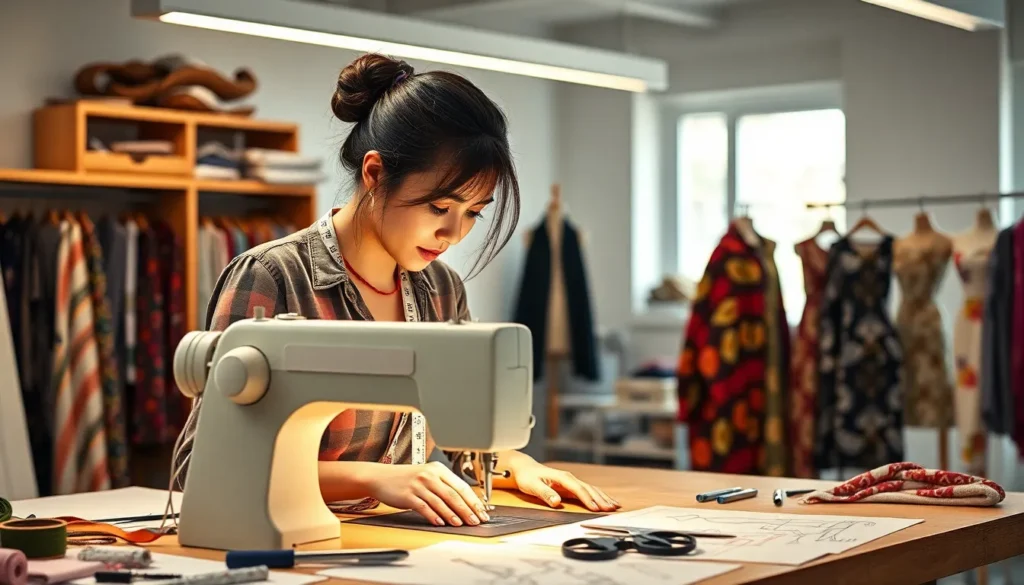
Fashion garment construction is the backbone of the clothing industry, transforming fabric into wearable art. It combines creativity with technical skill, allowing designers to bring their visions to life. Understanding the intricacies of garment construction not only enhances design capabilities but also elevates the overall quality of fashion pieces.
From pattern making to sewing techniques, each step plays a crucial role in ensuring the final product meets both aesthetic and functional standards. As trends evolve, so do the methods and materials used in garment construction, making it essential for aspiring designers and fashion enthusiasts to stay informed. This article delves into the key elements of garment construction, offering insights that can inspire and educate anyone looking to deepen their knowledge of the fashion world.
Overview of Fashion Garment Construction
Fashion garment construction involves a systematic approach that transforms raw materials into finished apparel. Each stage contributes not only to aesthetics but also to functionality, ensuring that garments fit well and perform effectively.
Key Elements of Garment Construction
- Fabric Selection: Choosing the right fabric affects both the garment’s look and wearability. Designers consider properties like drape, weight, and texture.
- Pattern Making: Creating patterns lays the foundation for garment shapes and sizes. Accurate pattern pieces are essential for achieving the desired fit.
- Cutting Techniques: Precision in cutting influences garment quality. It involves laying out patterns on fabric to minimize waste and ensure even seams.
- Sewing Methods: Employing various sewing techniques, such as straight stitching and overlocking, secures pieces together. Each method serves different purposes for durability and finish.
- Finishing Touches: Adding elements like hems, buttons, and zippers enhances the garment’s functionality and appearance. These details can define a piece’s style.
Importance of Skill Development
Developing skills in garment construction allows designers to execute their creative visions effectively. Mastery of techniques leads to higher quality and more innovative fashion pieces. Regular practice and education about new trends in construction methods ensure that designers stay relevant in a competitive market.
Trends in Fashion Garment Construction
Staying informed about emerging technologies and sustainable practices shapes modern garment construction. Techniques like 3D printing and zero-waste pattern cutting attract attention for their environmental benefits. As the industry evolves, adapting to these trends becomes crucial for aspiring fashion designers.
Key Techniques in Fashion Garment Construction
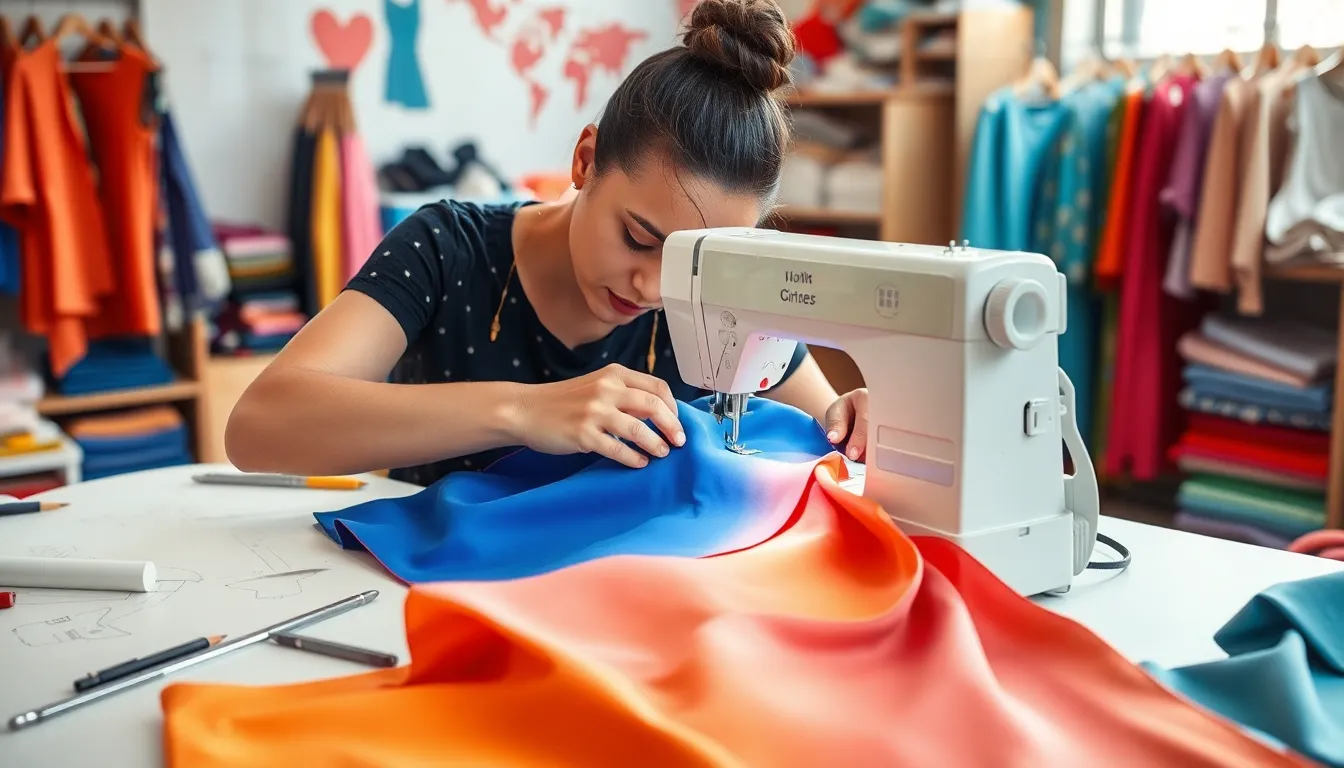
Fashion garment construction involves several key techniques that ensure the transformation of fabric into well-fitted, stylish clothing. Mastery of these techniques enhances both the aesthetic appeal and functionality of the final product.
Pattern Making
Pattern making forms the foundation of garment construction. It involves creating templates that guide cutting and sewing the fabric. Accurate patterns ensure that garments fit correctly and maintain consistent sizing.
Key aspects of pattern making include:
- Block Patterns: Basic shapes that establish standard sizing and fit. Designers often customize these blocks for specific styles.
- Flat Pattern Method: This method involves making patterns from existing garments or draping fabric on a dress form, creating a three-dimensional design on a two-dimensional surface.
- Digital Pattern Making: Software allows for precise control over designs and sizes, streamlining the process and minimizing errors in production.
Sewing Methods
Sewing methods significantly impact the quality and durability of garments. The choice of technique affects the final look and functionality, making it essential for designers to select methods that align with their design vision.
Important sewing methods include:
- Straight Stitch: Commonly used for seaming fabrics together. It provides strength but requires careful handling to avoid puckering.
- Zigzag Stitch: This method helps prevent fabric fraying and is suitable for stretch fabrics. It offers versatility in various garment types.
- Overlock Stitch: Frequently used on knit and woven fabrics to create clean edges while preventing fraying. Overlock machines also allow for stretching.
- Topstitching: Adds a decorative element while reinforcing seams, enhancing both aesthetic appeal and garment durability.
These techniques play a crucial role in overall garment construction, ensuring that fashion pieces not only look exceptional but are also constructed for comfort and longevity.
Materials Used in Fashion Garment Construction
Materials play a crucial role in fashion garment construction. They directly influence the garment’s quality, look, and functionality. Key categories of materials include fabrics and textiles, as well as notions and accessories.
Fabrics and Textiles
Fabrics and textiles serve as the primary material for garment construction. Common types include:
- Cotton: Known for breathability, softness, and versatility, cotton remains a staple in casualwear and tailored pieces.
- Wool: Renowned for its insulation properties, wool is favored for outerwear and winter garments.
- Silk: Celebrated for its luxurious feel and drape, silk is ideal for formal wear and elegant designs.
- Synthetic Fibers: Options like polyester and nylon offer durability, resistance to wrinkles, and easy care.
- Linen: Valued for its natural texture and cooling properties, linen works well in warm-weather clothing.
Selecting the right fabric depends on the intended use and desired characteristics of the finished garment, such as weight, drape, and texture.
Notions and Accessories
Notions and accessories complement the main fabric, enhancing both function and aesthetic appeal. Essential items include:
- Thread: Critical for stitching seams and finishes, thread must match the fabric type and color for optimal performance.
- Buttons: Used as closures or decorative elements, buttons vary in material, size, and shape, contributing to the garment’s overall design.
- Zippers: Commonly found in skirts, pants, and jackets, zippers facilitate easy wear while supporting style.
- Interfacing: Applied to areas needing structure and support, interfacing reinforces collars, cuffs, and plackets.
- Elastic: Utilized in waistbands and cuffs, elastic ensures a comfortable fit and ease of movement.
Understanding the role of each notion and accessory allows designers to execute detailed and functional garments.
Importance of Fashion Garment Construction
Fashion garment construction plays a pivotal role in the clothing industry. It transforms raw fabric into wearable art through a blend of creativity and technical precision. Understanding garment construction enhances design capabilities and elevates the quality of fashion pieces.
Enhances Fit and Comfort
Garment construction ensures proper fit and comfort for the wearer. Key techniques, including accurate pattern making and precise sewing, contribute to a garment’s overall structure. Attention to details like seam allowances influences how a garment fits, while appropriate fabric selection affects both comfort and movement.
Elevates Aesthetics and Functionality
Each step in garment construction, from cutting techniques to finishing touches, contributes to aesthetics and functionality. A well-constructed garment not only looks appealing but also performs effectively, ensuring longevity and durability. Techniques such as topstitching and overlocking reinforce seams while enhancing visual appeal.
Adapts to Fashion Trends
Staying updated with evolving trends in fashion garment construction is crucial for designers. Incorporating advanced technologies like 3D printing and sustainable practices such as zero-waste pattern cutting showcases innovation and responsiveness to market demands. Current knowledge helps maintain relevance in a highly competitive environment.
Fosters Material Awareness
Selecting the right materials significantly impacts garment output. Fabric types, such as cotton, silk, and synthetic fibers, influence the final product’s quality and appearance. Understanding how various textiles interact with design elements allows for more detailed and functional garments.
Integrates Accessories Thoughtfully
Nurturing an awareness of notions and accessories elevates garment production. Elements like buttons, zippers, and interfacing enhance the overall function and aesthetic appeal. Thoughtful integration of these components results in polished, professional-looking garments.
Mastering fashion garment construction not only empowers designers but also inspires fashion enthusiasts to appreciate the depth of creativity and skill involved in creating quality garments.
Challenges in Fashion Garment Construction
Fashion garment construction presents several challenges that can impact the quality and efficiency of the design process. Recognizing these obstacles helps designers navigate them more effectively.
Time Constraints
Time constraints affect garment construction timelines, with designers needing to balance creativity and production deadlines. Rushed timelines may compromise quality, resulting in poorly constructed garments. Scheduling adequate time for each construction phase is crucial for achieving desirable outcomes.
Fabric Limitations
Fabric limitations present another challenge. Certain fabrics behave differently during the construction process, impacting fit and drape. Choosing fabrics that align with design intentions ensures that garments meet aesthetic and functional standards. Knowledge of fabric properties helps designers anticipate these challenges.
Technical Skill Gaps
Technical skill gaps can hinder garment construction. Designers may lack proficiency in specific techniques or tools. Continuous education in pattern making, sewing methods, and technology use can bridge these gaps, enhancing overall craftsmanship and ensuring garment durability.
Sizing Inconsistencies
Sizing inconsistencies can complicate production. Variations in body measurements contribute to fit issues, complicating the pattern-making process. Implementing standardized sizing guidelines and using fitting models or digital technology helps minimize discrepancies and promotes a better fit.
Sustainability Challenges
Sustainability challenges also play a significant role. As the fashion industry shifts towards eco-friendly practices, designers must adapt their construction techniques. Incorporating sustainable materials and methods reduces environmental impact while maintaining garment integrity.
Market Trends
Rapidly changing market trends can pressure designers. Keeping designs fresh while adhering to established construction methods may prove difficult. Staying informed about industry trends helps designers adapt their techniques without sacrificing quality.
Resource Availability
Resource availability affects garment construction significantly. Limited access to quality materials or skilled labor can impede production. Establishing strong relationships with suppliers and investing in workforce development fosters a more efficient construction process.
Addressing these challenges requires a combination of technical knowledge, creativity, and adaptability. By identifying potential issues early, designers can enhance garment construction processes and produce high-quality fashion pieces.
Fashion garment construction is a vital aspect of the clothing industry that combines creativity with technical expertise. Mastering the intricate processes involved not only elevates the quality of garments but also enhances a designer’s ability to innovate. By embracing new technologies and sustainable practices, designers can stay ahead in a rapidly evolving market.
Addressing challenges such as time constraints and resource limitations is crucial for achieving excellence in garment construction. With a commitment to continuous learning and adaptation, designers can create pieces that not only meet aesthetic standards but also resonate with the values of today’s conscious consumers. The journey of garment construction is one of creativity and skill that ultimately leads to the creation of exceptional fashion.