
Navigating the world of parenting can be overwhelming, especially with the endless list of baby gear needed for a new arrival. Second-hand baby gear offers a practical and budget-friendly solution for many families. Not only does it help save money, but it also promotes sustainability by giving gently used items a new life.
From cribs to strollers, the market for pre-loved baby products is booming. Parents are discovering that buying second-hand doesn’t mean sacrificing quality or safety. With a little research and caution, they can find high-quality items that meet their needs without breaking the bank. Embracing second-hand baby gear can be a smart choice for both the wallet and the environment.
What Is Second-Hand Baby Gear?
Second-hand baby gear refers to previously owned items used for infants and toddlers. This category includes cribs, strollers, high chairs, toys, and clothing. Parents often choose these items for financial savings and environmental sustainability.
Second-hand items typically retain high quality. Many parents sell or donate gear that remains in excellent condition. This dedication to quality means families can find safe and functional products without paying full price.
Purchasing second-hand baby gear promotes the recycling of products. Parents contribute to reducing waste by choosing pre-loved items, supporting a circular economy. Exploring local thrift stores, online marketplaces, and parenting groups can yield valuable finds, making second-hand gear a practical option for budget-conscious families.
Safety remains a priority when selecting second-hand gear. It’s essential to review recalls and safety standards. Parents should inspect items for wear and tear, ensuring that products meet safety regulations. Acquiring second-hand gear provides financial benefits and potentially enhances family connections through shared parenting experiences.
Benefits Of Second-Hand Baby Gear
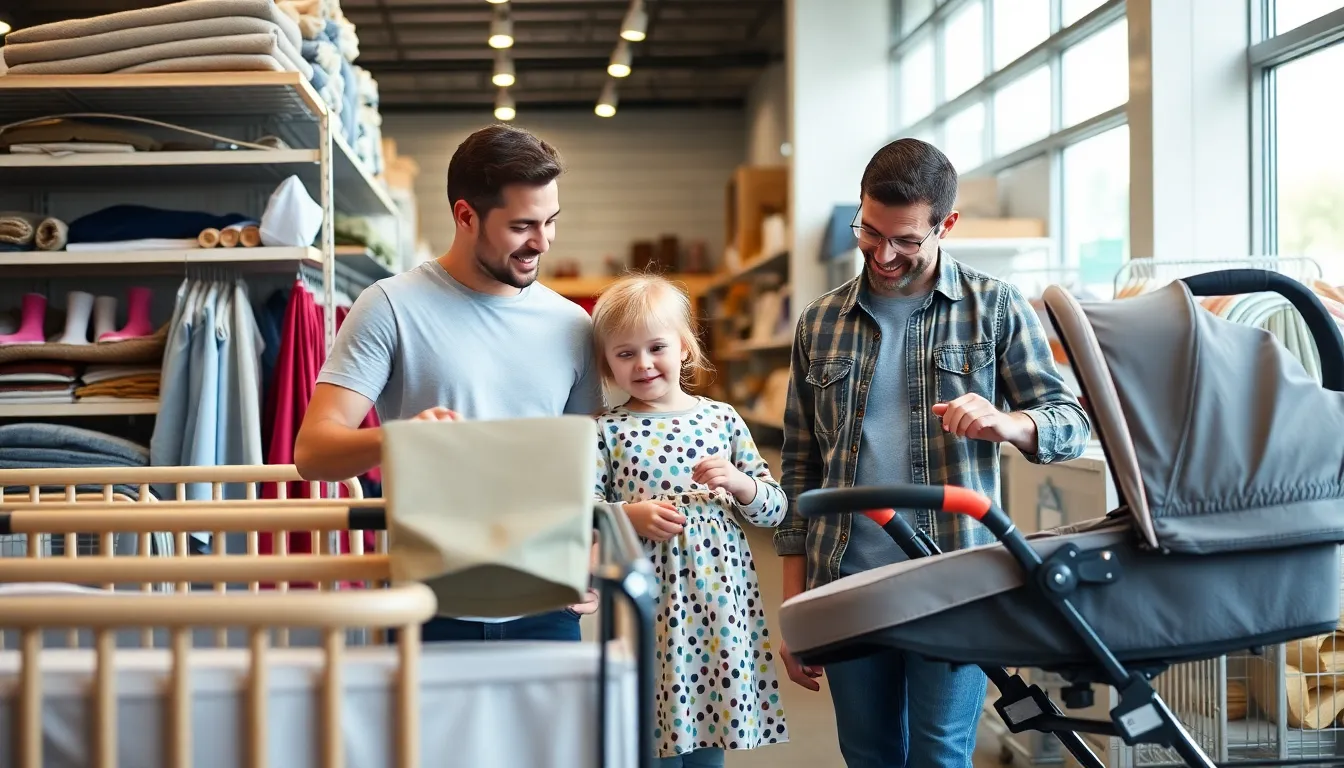
Second-hand baby gear offers numerous advantages for families looking to balance budget constraints with quality needs. Families benefit financially and environmentally by selecting pre-loved items for their infants and toddlers.
Cost Savings
Cost savings represent one of the primary reasons families choose second-hand baby gear. Families can save significant amounts on essentials like cribs, strollers, and high chairs. For instance, purchasing a second-hand stroller may cost around $100 compared to new models priced at $300 or more. Discounts on high-quality items are common, as many second-hand products retain their functionality. Exploring online marketplaces, local thrift stores, or community parenting groups enhances opportunities to find gently used items at lower prices. Additionally, avoiding brand-new purchases helps families allocate funds toward other essential needs, such as healthcare or education.
Eco-Friendly Choices
Eco-friendly choices underscore the environmental benefits associated with second-hand baby gear. By opting for previously owned items, families contribute to waste reduction and promote recycling. Each purchase represents a way to decrease the demand for new products, minimizing landfill contributions from discarded baby gear. For example, choosing a second-hand crib rather than a new one lessens the environmental impact associated with manufacturing processes. Supporting local thrift stores or buying pre-loved items fosters a sustainable mindset, allowing families to participate actively in environmental preservation while still meeting their children’s needs.
Risks And Considerations
Families considering second-hand baby gear should be aware of specific risks and factors to ensure safety and quality. Understanding these considerations helps parents make informed decisions.
Safety Standards
Safety standards for baby products have evolved. Government agencies, such as the Consumer Product Safety Commission (CPSC), provide guidelines for manufacturers. Parents must check that second-hand items comply with current safety standards, especially for cribs and car seats. Many manufacturers label their products with compliance information. Parents should confirm that these items have not been recalled. Resources like the CPSC’s website offer easy access to recall lists. Researching brand reputation and product safety ratings establishes confidence in the second-hand items parents choose.
Condition And Cleanliness
Examining condition and cleanliness is crucial when selecting second-hand gear. Parents should look for items free from significant wear and tear, as this can indicate potential safety hazards. Scratches, cracks, or broken parts may compromise function and safety. Parents must inspect fabrics for stains or odors, ensuring hygiene for their infants. Disinfecting items with suitable cleaners, especially toys and seats, promotes a safe environment. Using thorough cleaning methods eliminates harmful germs and allergens, providing peace of mind. Prioritizing items in good condition reduces risk and promotes better health for the child.
Where To Buy Second-Hand Baby Gear
Finding second-hand baby gear can be easy and rewarding. Parents can explore various avenues, including online marketplaces and local buy-sell-trade groups, for budget-friendly options.
Online Marketplaces
Online marketplaces offer a convenient platform for purchasing second-hand baby gear. Websites and apps like Craigslist, Facebook Marketplace, eBay, and OfferUp provide access to a wide range of items. Users can filter searches based on location, price, and specific needs. It’s paramount to communicate with sellers for clarity on product condition and to arrange safe pickup or delivery. Parents should check for ratings and reviews in these platforms to ensure trustworthy transactions. Searching for local listings can lead to quicker purchases without shipping fees.
Local Buy-Sell-Trade Groups
Local buy-sell-trade groups present another excellent option for sourcing second-hand baby items. Many communities have groups on social media platforms like Facebook, allowing parents to connect with nearby families. These groups often have dedicated sections for baby gear, where members post items for sale or trade. Engaging with local parents promotes a sense of community and facilitates negotiations. Additionally, in-person meetups allow for direct inspection of items before purchasing, enhancing safety and satisfaction. Parents can also list their own items for sale, making these groups a circular economy hub for families.
Tips For Buying Second-Hand Baby Gear
Purchasing second-hand baby gear can save families money while promoting sustainability. These tips help ensure safety and satisfaction with pre-loved items.
Inspecting Items
Inspecting items before buying is crucial for safety and quality. Parents should check for hazards such as loose parts, broken components, or sharp edges. They should look for signs of wear and tear, including scratches, stains, or rust. Additionally, examining the manufacturer’s label can confirm compliance with current safety standards. Parents must test the functionality of gear, ensuring items work properly and don’t have hidden issues that may affect their safety.
Asking The Right Questions
Asking the right questions helps parents gather important information about second-hand products. Parents should inquire about the item’s history, including previous use and any incidents of recalls. They can ask how long the seller has owned the item and whether they have all necessary accessories or parts. Parents must also confirm the item’s condition and cleaning practices, especially for items like car seats and high chairs that require thorough sanitation. Questions about why the item is being sold can reveal insights into its condition and usability.
Choosing second-hand baby gear offers families a practical way to save money while supporting environmental sustainability. By opting for pre-loved items, parents can access high-quality products that meet safety standards without breaking the bank.
Exploring local thrift stores and online marketplaces opens up a world of possibilities, allowing families to find everything from cribs to toys at a fraction of the cost. With careful inspection and consideration, second-hand gear can provide a safe and reliable solution for growing families.
Embracing this approach not only fosters a sense of community among parents but also promotes a more sustainable future for the next generation.