

Imagine walking into a home that feels like a warm hug from your favorite childhood memories. Arts and crafts interior design does just that, blending creativity with comfort to create spaces that tell stories. This style embraces handmade elements and natural materials, making every corner a canvas for self-expression.
Gone are the days of sterile, cookie-cutter rooms. With arts and crafts design, it’s all about personality. Think cozy textiles, handcrafted furniture, and vibrant colors that spark joy. Whether it’s a quirky wall hanging or a rustic wooden table, each piece adds character and charm. So grab your paintbrush and let’s explore how this delightful design style can transform any space into a haven of creativity and warmth.
Understanding Arts And Crafts Interior Design
Arts and crafts interior design emphasizes craftsmanship and the beauty of materials. This approach celebrates handcrafted items, providing a authentic and personal touch to spaces. Natural materials, such as wood, stone, and metal, play a crucial role in creating a warm atmosphere. Color palettes often include earthy tones, which enhance comfort and connection to nature.
Textiles are integral to this design style. Cozy fabrics like wool, linen, and cotton add texture and warmth to interiors. Handmade rugs or quilts contribute further to the overall aesthetic. Furniture selections prioritize function, with many pieces designed for comfort and style, showcasing artisanal work.
Lighting also enhances the ambiance in an arts and crafts setting. Fixtures often feature organic shapes and materials, contributing to a harmonious environment. Decorative elements like pottery or woven baskets complement the design, emphasizing individuality.
This style encourages personal expression throughout the home. Artwork, whether paintings or sculptures, should reflect the homeowner’s tastes and background. Incorporating personal heirlooms or unique finds reinforces a sense of history and narrative within the space.
Ultimately, arts and crafts interior design invites creativity. Simple yet inviting spaces come together through thoughtful choices and an appreciation for beauty in everyday objects. This approach transforms homes into welcoming retreats, celebrating the joy of living with artistry.
Key Characteristics Of Arts And Crafts Style
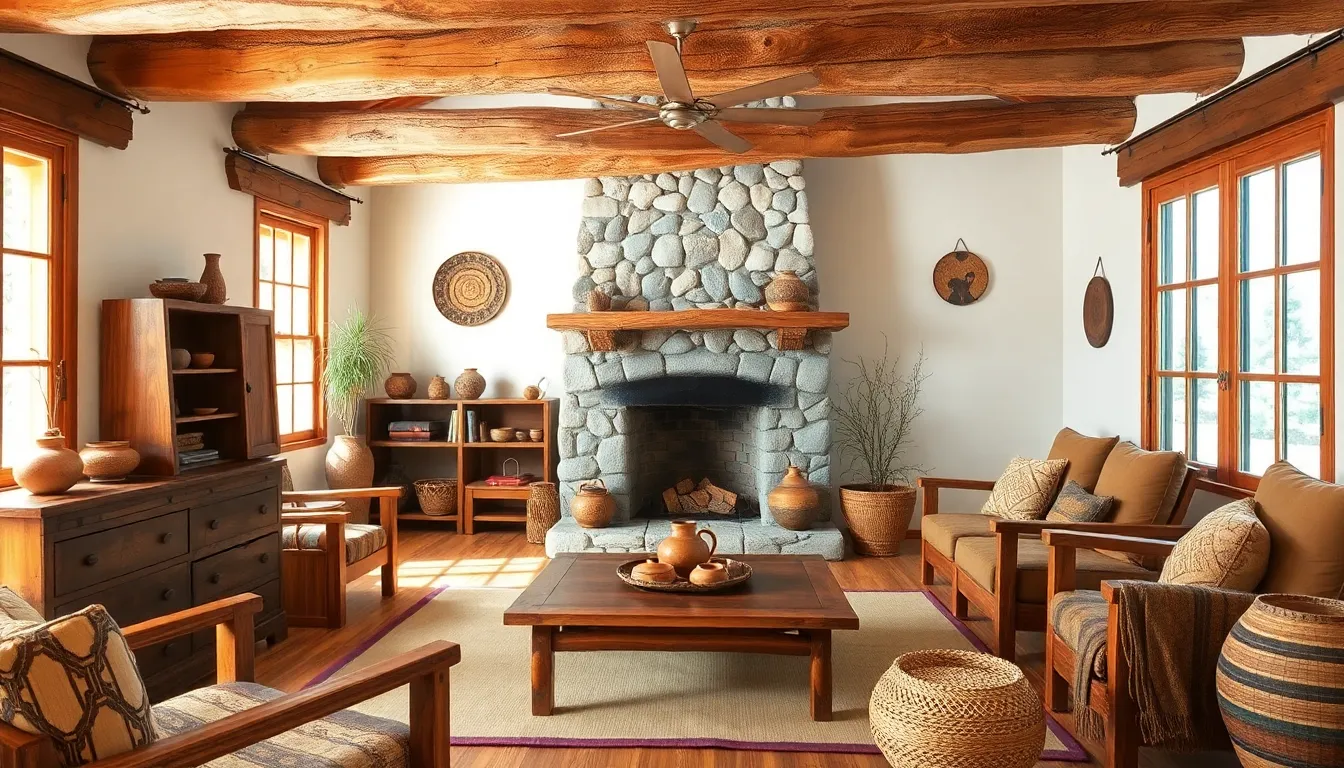
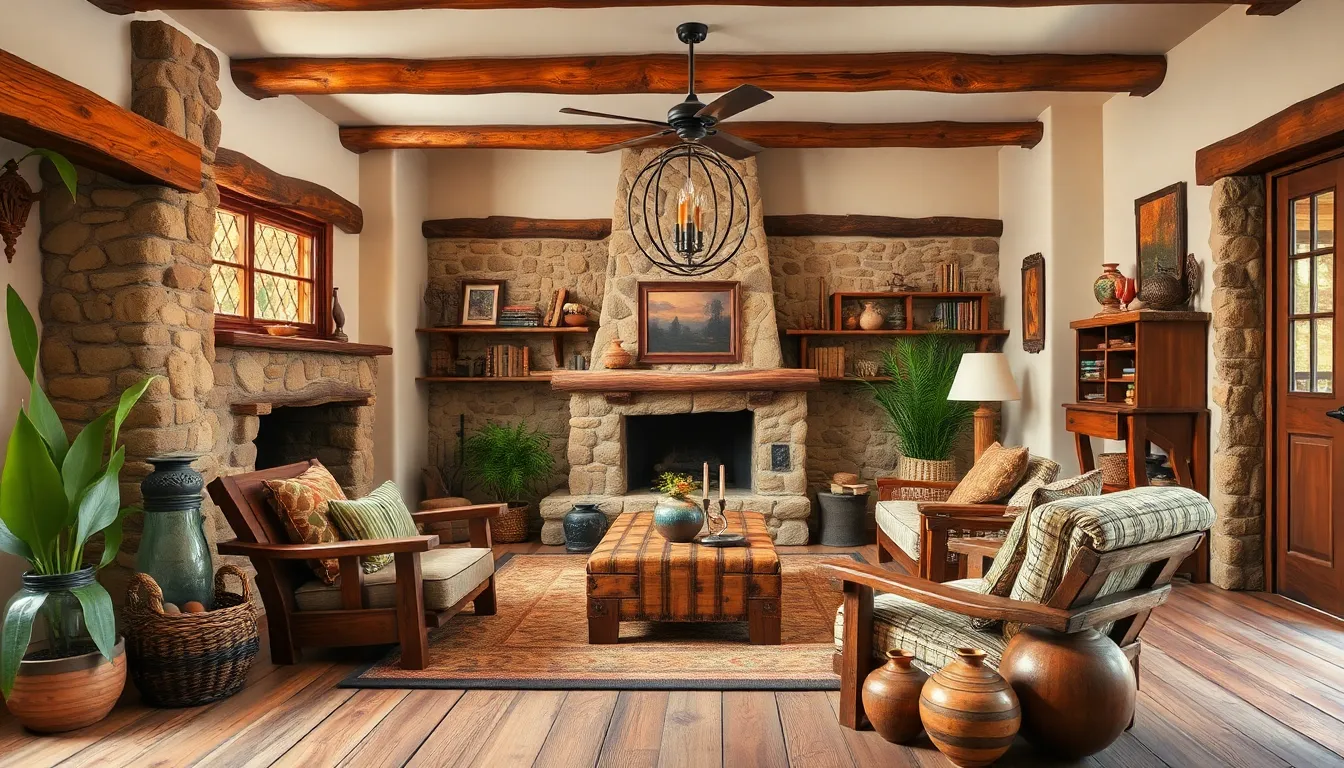
Arts and crafts style emphasizes authenticity and connection to nature through various distinctive features. Its hallmark lies in the use of natural materials and the celebration of craftsmanship.
Natural Materials
Natural materials define the aesthetic of arts and crafts interiors. Wood, stone, and metal come together to create a warm and inviting environment. Reclaimed wood adds character, while stone accents provide texture. Bright colored metals may appear in fixtures, contributing to visual interest. These materials foster a sense of authenticity and evoke a rustic charm reminiscent of the arts and crafts movement. Sustainable sources further enhance this style, showcasing a commitment to the environment. The tactile quality of natural elements invites touch, enriching the overall atmosphere in a home.
Functionality And Craftsmanship
Functionality and craftsmanship play crucial roles in arts and crafts design. Each piece of furniture, whether it’s a handcrafted table or a cozy chair, prioritizes comfort and utility. Artisans invest time in quality construction, ensuring durability and aesthetic appeal. Innovative designs reflect simplicity, eliminating unnecessary embellishments while highlighting the beauty of materials. Lighting fixtures often incorporate organic shapes, enhancing the room’s overall vibe. Utility extends to decorative elements like handmade pottery and woven baskets, which serve practical purposes while adding personality. Every element in this style invites appreciation for thoughtful design and skilled handiwork.
Incorporating Arts And Crafts Elements In Your Home
Incorporating arts and crafts elements into home design creates an inviting atmosphere that reflects personal style. This style thrives on authenticity, showcasing natural materials and handcrafted items.
Color Palettes And Textures
Earthy color palettes define the arts and crafts aesthetic, with shades of brown, green, and warm neutrals. Rich tones inspire comfort and complement the use of natural materials. Textures also play a vital role, as textiles like wool, linen, and cotton contribute warmth. Layers of fabrics, such as cozy throws and accent pillows, add visual interest. Woven rugs and quilts act as statement pieces, enhancing the tactile experience of a room. Combining these colors and textures encourages a harmonious, nature-inspired environment.
Furniture Selection And Arrangement
Furniture selection prioritizes comfort and craftsmanship in arts and crafts interior design. Handcrafted pieces serve functional purposes while showcasing artisanship. Solid wood tables and plush chairs offer durability and style for various spaces. Arranging the furniture to promote conversation enhances the sense of community in a home. Positioning items around a central focal point, like a fireplace or artwork, creates a cozy gathering place. Balance in arrangement ensures a visually appealing layout that invites relaxation and enjoyment.
Examples Of Arts And Crafts Interior Design
Arts and crafts interior design showcases various elements that create inviting and unique spaces. Handcrafted furniture exemplifies the style’s focus on artistry. Reclaimed wood tables and chairs reflect both sustainability and craftsmanship.
Textures play a significant role in this design approach. Cozy wool blankets and linen cushions enhance comfort while adding a tactile element to seating areas. Color palettes remain earthy, with shades of green, brown, and warm neutrals fostering a harmonious connection to nature.
Lighting choices embody organic shapes through fixtures made from wrought iron or artisan glass. Statement lamps or pendant lights draw attention and enhance the ambiance, perfect for living rooms or dining areas.
Decorative accents often include pottery and woven baskets, emphasizing individuality and function. Handmade ceramics or decorative quilts can serve both aesthetic and practical purposes, adding character to the space.
Artwork remains crucial in creating a personal touch. Framed family heirlooms or local artist prints contribute to the home’s narrative and celebrate history. They reinforce the sense of nostalgia that this style evokes.
Flooring options vary, with hardwood or stone often preferred for their natural beauty. Area rugs, particularly those featuring intricate patterns or textures, provide warmth and comfort underfoot.
Incorporating outdoor elements also enhances the overall design. Window treatments made from natural fibers allow light to filter while maintaining a connection to the landscape outside. Plants or natural fibers in the decor invite a sense of tranquility and freshness indoors, further enhancing the inviting nature of arts and crafts interior design.
Arts and crafts interior design offers a unique way to create spaces that are both inviting and personal. By emphasizing handcrafted elements and natural materials, it fosters a sense of warmth and authenticity. This style not only enhances the aesthetic appeal of a home but also encourages individual expression through thoughtful design choices.
Incorporating cozy textiles and artisanal furniture can transform any space into a welcoming retreat. The focus on craftsmanship and functionality ensures that each piece serves a purpose while adding character. Ultimately, arts and crafts design celebrates the beauty of materials and the joy of living with art, making homes feel truly special.