

Step into a world where craftsmanship meets comfort, and your living space transforms into a cozy haven. Arts and crafts style furniture isn’t just a trend; it’s a lifestyle choice that whispers elegance while shouting durability. Imagine sinking into a chair that’s not just a seat but a piece of art, lovingly crafted to last for generations.
This style, born from the desire to celebrate handmade beauty, embraces natural materials and simple lines. It’s like the cool cousin of modern furniture who still appreciates the value of a good hand-carved leg. So whether you’re a design aficionado or just someone who enjoys a well-made chair, arts and crafts style furniture invites you to experience the perfect blend of function and flair. Get ready to elevate your space and impress your guests—because who wouldn’t want to sit on a masterpiece?
Overview of Arts and Crafts Style Furniture
Arts and crafts style furniture emphasizes simplicity, functionality, and quality. Originating in the late 19th century, this design movement responded to industrialization by prioritizing handcrafted artistry. Each piece embodies a commitment to craftsmanship with meticulous attention given to detail. Natural materials, such as wood and leather, form the backbone of this style, highlighting the beauty of their inherent characteristics.
Design elements commonly associated with arts and crafts furniture include bold lines and geometric shapes. Oak wood remains a popular choice, known for its durability and rich grain patterns. Many artisans aim for a timeless appeal rather than fleeting trends, ensuring that furniture remains relevant across generations. Finishes typically include oil or wax, which enhance the natural look without covering it up.
Functionality defines the layout of arts and crafts furniture, making it adaptable for various spaces. Desks, chairs, and tables often serve practical purposes while showcasing elegant designs. Sturdy construction guarantees longevity, making it a worthwhile investment for homeowners. Color palettes lean towards earthy tones, fostering warmth and comfort in any room.
Art enthusiasts often appreciate the pieces’ aesthetic value alongside their utility. Many find that incorporating this furniture style brings a sense of balance to their living spaces. Collectors may seek out original pieces for their historic significance and craftsmanship. In essence, arts and crafts style furniture stands as a testament to the beauty of handcrafted home decor.
Key Characteristics of Arts and Crafts Style Furniture
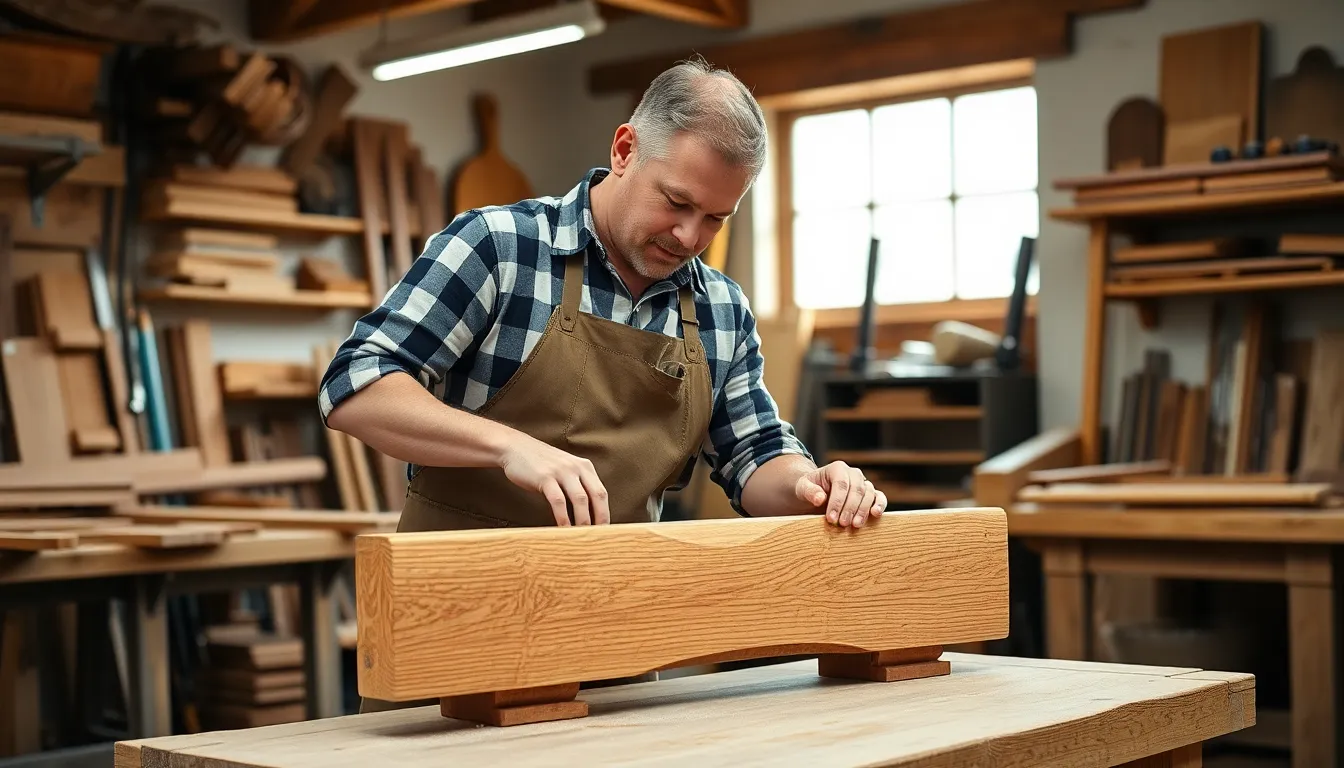
Arts and crafts style furniture embodies distinct qualities that set it apart. This type of furniture focuses on functionality while celebrating craftsmanship.
Design Elements
Simplicity defines the design elements of arts and crafts furniture. Geometric shapes create a strong visual impact, emphasizing clean lines. Bold angles and flat surfaces enhance the overall aesthetic, making each piece unique. Open spaces in designs allow for flexibility in placement within various room layouts. Each item reflects the artist’s personal touch, showcasing individuality. The emphasis on proportion ensures that pieces remain visually pleasing and functional.
Materials Used
Natural materials serve as the foundation of arts and crafts furniture. Solid woods, primarily oak, accentuate durability and strength. Craftspeople prefer materials that showcase authentic beauty rather than synthetic finishes. Leather and fabric in earthy tones complement wooden elements, creating a harmonious look. The use of organic finishes enhances the wood’s grain, emphasizing natural patterns. Sustainability remains a characteristic focus, aligning with the movement’s values. Each material choice supports a sense of authenticity and craft.
Historical Context of Arts and Crafts Movement
The Arts and Crafts Movement emerged in the late 19th century, driven by a desire to reclaim the value of handcrafted goods amid industrialization. This movement emphasized a return to traditional craftsmanship, promoting quality over mass production.
Influences on Furniture Design
The industrial revolution significantly impacted furniture design, leading to mass-produced items that often lacked character. In reaction to this trend, the Arts and Crafts Movement sought inspiration from medieval craftsmanship and traditional techniques. Nature also played a critical role, fostering an appreciation for organic materials and simple forms. Prominent thinkers like John Ruskin and William Morris advocated for integrating art into everyday life, influencing how furniture was designed and crafted during this period.
Notable Designers
Key figures in the Arts and Crafts Movement include Gustav Stickley and Charles Rennie Mackintosh. Stickley founded the Craftsman brand, which emphasized furniture that showcased the beauty of natural materials. Mackintosh, known for his innovative designs, often combined traditional influences with modern aesthetics, creating iconic pieces. Other notable designers, like Frank Lloyd Wright, integrated architecture and furniture, enhancing overall coherence in home design. Each designer contributed uniquely to the movement, shaping the legacy of Arts and Crafts style furniture.
How to Incorporate Arts and Crafts Style Furniture in Your Home
Incorporating arts and crafts style furniture enhances a home’s aesthetic while providing functional beauty. This design ethos thrives on natural materials, craftsmanship, and simplicity.
Living Room Ideas
Choose a sturdy oak coffee table as the focal point in a living room. Arrange plush, earth-toned sofas around it to balance comfort and style. Add a handcrafted armchair for an inviting touch, ensuring it complements existing décor. Incorporate handwoven textiles for added warmth and texture. Display minimalist art pieces that reflect geometric designs, tying back to the furniture’s clean lines. Use natural light to highlight wooden grains and finishes, creating a cozy yet sophisticated ambiance.
Bedroom Inspirations
Select a solid wood bed frame featuring clean, simple lines that exude elegance. Pair it with matching nightstands to maintain a cohesive look. Layer soft, organic fabrics in earthy hues for bedding, enhancing comfort. Choose a hand-crafted dresser that showcases intricate joinery, serving as a functional art piece. Incorporate wooden elements through shelving or accents, blending with other furnishings. Strategic placement of personal art further emphasizes the uniqueness of the space, harmonizing with the overall design theme.
Maintenance and Care for Arts and Crafts Style Furniture
Maintaining arts and crafts style furniture ensures longevity and preserves its natural beauty. Regular dusting with a soft, lint-free cloth prevents dust build-up and scratches. Cleaning spills promptly minimizes the risk of stains, especially on wood surfaces.
Applying a furniture polish specifically designed for natural wood enhances shine while protecting the finish. Inspecting joints and hardware periodically helps identify any loose parts that may require tightening or repairs. Avoid placing furniture in direct sunlight to prevent fading and warping.
Occasional oil treatments rejuvenate the wood, restoring its luster and highlighting the grain. Using coasters and placemats during meals protects against heat and moisture damage.
Consider the use of felt pads under heavy objects to avoid scratches or dents on surfaces. Cleaning fabric or leather pieces with recommended products maintains their appearance while extending their lifespan.
For more extensive care, consulting a professional may be advised, especially for repairs or refinishing tasks. Following these maintenance tips ensures arts and crafts style furniture remains not only functional but also a visual cornerstone of home decor.
Arts and crafts style furniture stands as a timeless choice for those seeking to blend functionality with artistic expression. Its emphasis on quality craftsmanship and natural materials ensures that each piece is not only beautiful but also durable. By incorporating these elements into home decor, individuals can create inviting spaces that reflect their appreciation for artistry and tradition.
With its rich history and distinctive design characteristics, arts and crafts style furniture continues to inspire. Whether it’s a handcrafted table or a solid wood bed frame, these pieces enhance the aesthetic of any room while offering practicality. Embracing this style is more than just a design decision; it’s a commitment to quality and sustainability that resonates with today’s discerning homeowners.