
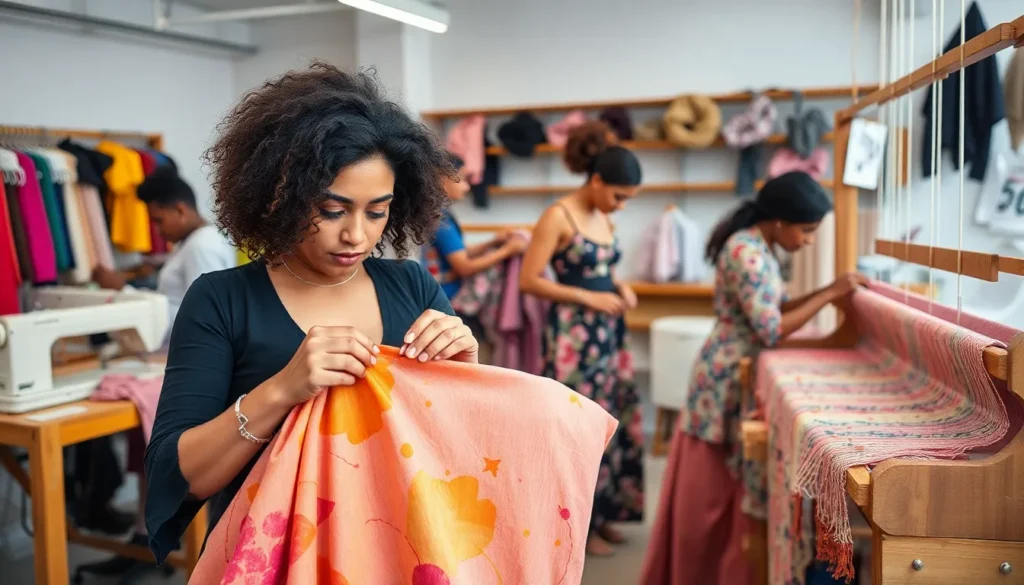
Fashion fabric techniques play a crucial role in transforming raw materials into stunning garments. From weaving and dyeing to printing and embroidery, these methods not only enhance the aesthetic appeal of fabrics but also elevate the overall design of clothing. Understanding these techniques can empower designers and fashion enthusiasts alike to create unique pieces that stand out in a crowded market.
In a world where trends come and go, mastering fabric techniques is essential for anyone looking to make their mark in the fashion industry. Whether it’s the intricate art of batik or the modern approach of digital printing, each technique offers endless possibilities for creativity. This exploration of fashion fabric techniques will unveil the secrets behind some of the most captivating designs, inspiring both seasoned professionals and budding creators to push the boundaries of their craft.
Overview of Fashion Fabric Techniques
Fashion fabric techniques encompass various methods that transform raw fibers into visually stunning textiles. Each method contributes uniquely to the aesthetic and functional qualities of fabrics used in garment production.
Weaving
Weaving involves interlacing threads to create a fabric. Different patterns, such as plain, twill, and satin, determine the texture and strength of the woven material. Weaving allows for the creation of diverse fabric types, including denim and silk.
Dyeing
Dyeing alters the color of fabrics by applying dyes. Techniques like tie-dye, batik, and immersion dyeing offer distinct visual effects. The choice of dye, along with the fabric composition, influences colorfastness and overall appearance.
Printing
Printing applies designs directly onto fabric surfaces. Methods such as screen printing, digital printing, and block printing yield unique patterns and textures. Each printing technique provides various possibilities for customization and creativity in fabric design.
Embroidery
Embroidery enhances fabrics through needle and thread techniques. It adds intricate designs and personalization to garments. Styles vary from machine embroidery to hand-stitched patterns, creating textured and dimensional effects.
Finishing
Finishing techniques improve the quality of fabrics. Processes like bleaching, calendaring, and flame-proofing enhance softness, durability, and appearance. These techniques ensure that textiles meet specific industry standards and consumer expectations.
Appliqué
Appliqué involves sewing one fabric piece onto another for decorative effects. This technique allows designers to layer materials, creating depth and complexity in garment design. It finds applications in both high fashion and everyday clothing.
By mastering these fashion fabric techniques, designers unlock creative potential, enabling them to craft unique and appealing garments that resonate in the industry.
Types of Fashion Fabric Techniques
Fashion fabric techniques encompass a variety of methods essential for transforming raw materials into stunning textiles. Each technique contributes uniquely to the appearance and function of fabrics.
Weaving
Weaving involves interlacing two sets of yarns, known as warp and weft, to create a wide range of fabric types. Several methods thrive within weaving, including plain, satin, and twill. Each method results in distinct textures and patterns. Woven fabrics typically feature superior strength and durability, making them suitable for clothing, upholstery, and other applications.
Knitting
Knitting constructs fabric by interlocking loops of yarn using needles. This technique produces stretchy, flexible materials ideal for garments like sweaters, socks, and activewear. Various knitting methods, such as circular, flat, and warp knitting, yield different results. Knitted fabrics offer comfort and warmth, adapting easily to body shapes.
Dyeing
Dyeing alters a fabric’s color through several techniques, enhancing its appeal. Methods include immersion dyeing, where fabrics are submerged in dye solutions, and tie-dye, involving tying portions of fabric to create unique patterns. Additional techniques, such as batik and shibori, use resist methods for intricate designs. Dyeing ensures vibrant and rich color applications across numerous garment types.
Printing
Printing applies designs directly to fabric surfaces, allowing for creative expression and customization. Techniques such as screen printing, digital printing, and sublimation enable diverse design and color capabilities. Screen printing provides bold graphics, whereas digital printing offers photographic detail and intricate visuals. Printing broadens design possibilities, making it a popular choice in the fashion industry.
Applications of Fashion Fabric Techniques
Fashion fabric techniques find extensive applications across various domains, enhancing creative expression and functionality within the industry.
Apparel Design
Apparel design extensively incorporates various fashion fabric techniques, transforming concepts into wearable pieces. Weaving contributes to the creation of distinct garments, with techniques like satin and twill providing surface texture and drape. Knitting results in versatile materials, perfect for tailored items like dresses, tops, and activewear. Dyeing techniques allow designers to experiment with color, enabling seasonal trends and unique palettes. Printing techniques, such as screen and digital printing, offer opportunities for pattern and design integration. Embroidery adds personal touches, elevating clothing with detailed embellishments, while finishing techniques ensure garments maintain quality and appeal.
Home Textiles
Fashion fabric techniques also enhance home textiles, creating functional yet decorative items. Weaving plays a significant role in producing cushions, curtains, and upholstery fabrics, each displaying different textures and styles. Knitting provides cozy elements, perfect for throws and blankets that invite comfort into living spaces. Dyeing allows for a variety of colorways in items like tablecloths and bed linens, catering to diverse aesthetics. Printing techniques can personalize or themed textiles, making it possible to match decor styles. Embroidery embellishes home textiles, offering intricate, handmade details that improve visual interest.
Accessories
Accessories benefit from fashion fabric techniques that enhance both style and functionality. Weaving creates stunning bags, belts, and hats, bringing texture and durability to these pieces. Knitting is prominent in scarves, gloves, and beanies, delivering warmth and comfort through unique patterns. Dyeing techniques apply vibrant colors to handbags and jewelry pouches, adding a touch of personalization. Printing allows for distinct designs on items like wallets and wristbands, showcasing creativity. Embroidery enhances accessories, providing flair and bespoke elements that distinguish products in a competitive market.
Innovations in Fashion Fabric Techniques
Innovations in fashion fabric techniques continually reshape the textile landscape. Emerging technologies and methods enhance creativity and sustainability, transforming how fabrics are produced and utilized.
3D Knitting
3D knitting allows for seamless construction of garments. This technique eliminates fabric waste and enhances fit by creating items directly on knitting machines. Brands like Adidas and Nike utilize this process for performance wear, showcasing its benefits in sports apparel.
Digital Printing
Digital printing revolutionizes fabric design by enabling intricate prints directly from digital images. This method reduces water usage and dye waste compared to traditional printing techniques. Companies such as Spoonflower and Printful offer customizable fabric options, providing designers with endless possibilities.
Eco-Friendly Fabrics
Eco-friendly fabrics, made from recycled or sustainable materials, lead the way in sustainable fashion. Brands like Reformation and Patagonia produce items from recycled plastics and organic cotton, appealing to environmentally conscious consumers. Innovations in bio-fabrication, such as mushroom leather, promise further advancements in sustainable textiles.
Smart Fabrics
Smart fabrics integrate technology into textiles, offering functionalities like temperature regulation and moisture control. Products with built-in sensors, such as those developed by Wearable X, enhance user experiences and provide new avenues for innovation in performance garments.
Laser Cutting and Engraving
Laser cutting and engraving techniques create precise designs and patterns on fabric surfaces. This method allows for intricate designs that would be difficult to achieve through traditional cutting. Designers leverage this technology in producing unique garments and accessories, pushing the boundaries of creativity.
Blockchain for Fabric Authentication
Blockchain technology improves fabric traceability and authenticity. It allows consumers to verify the origin of materials and the ethical practices of manufacturers. Brands implementing blockchain, such as Everledger and Livia Firth’s Eco-Age, enhance transparency in the fashion supply chain.
These innovations in fashion fabric techniques drive the industry toward a more sustainable and technologically advanced future, providing creative opportunities for designers and brands alike.
Fashion fabric techniques play a pivotal role in the evolution of the textile industry. They not only enhance the beauty and functionality of garments but also push the boundaries of creativity and sustainability. As designers embrace innovations like 3D knitting and digital printing, the potential for unique and eco-friendly creations expands.
The continuous development of smart fabrics and blockchain technology further underscores the industry’s commitment to transparency and efficiency. By mastering these techniques, fashion professionals can unlock new possibilities and contribute to a more sustainable future. The journey through fabric techniques is not just about aesthetics; it’s about shaping the future of fashion itself.