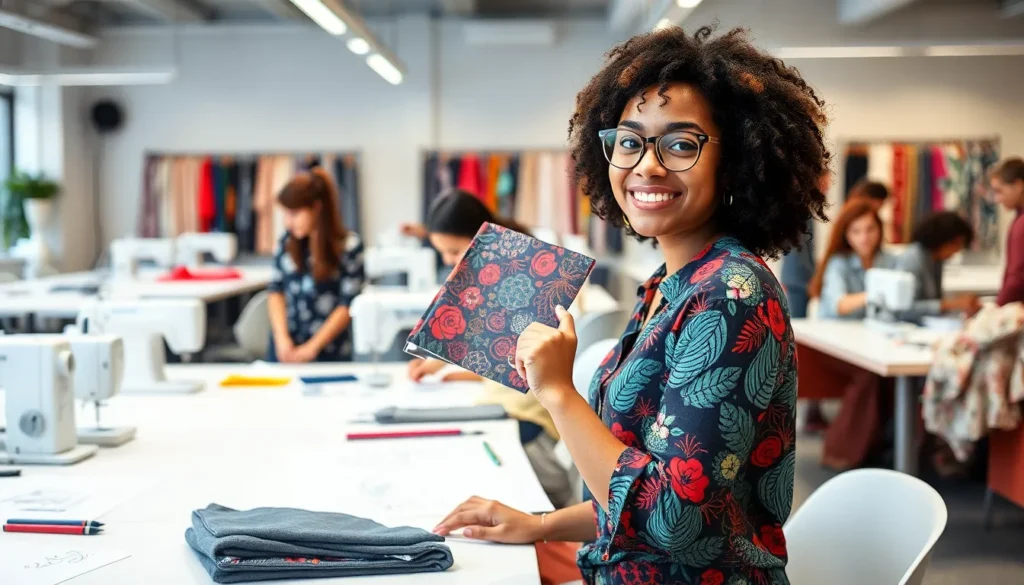
In the vibrant world of fashion, workshops serve as crucial incubators for creativity and innovation. They provide aspiring designers with hands-on experience, allowing them to transform their ideas into tangible creations. Whether it’s sketching the perfect silhouette or selecting the right fabric, these workshops offer a unique blend of education and inspiration that fuels a passion for design.
Participants dive into various aspects of fashion design, from conceptualization to production. With guidance from industry professionals, they learn essential skills and techniques that can set them apart in a competitive field. Embracing the collaborative spirit of workshops, designers not only refine their craft but also build valuable networks that can propel their careers forward.
Overview of Workshop Fashion Design
Workshop fashion design serves as a platform for aspiring designers to cultivate their skills in a supportive atmosphere. Workshops provide structured lessons that focus on critical areas such as garment construction, pattern making, and textile knowledge. Participants engage in practical exercises, honing their abilities while receiving immediate feedback from instructors and peers.
Hands-on activities, such as sketching and fabric selection, facilitate the transformation of creative ideas into tangible designs. This process promotes a comprehensive understanding of design principles and encourages experimentation with different styles and techniques.
Mentorship from industry professionals plays an essential role, offering insights into current trends and best practices. Participants develop not only technical skills but also the ability to navigate the complexities of the fashion industry.
Collaborative environments foster teamwork, allowing designers to share ideas and critique each other’s work. These interactions enhance learning and help build relationships that may lead to future opportunities in fashion.
Overall, workshop fashion design acts as a crucial stepping stone for emerging talent, equipping them with the tools necessary to thrive in a competitive market.
Key Elements of Workshop Fashion Design
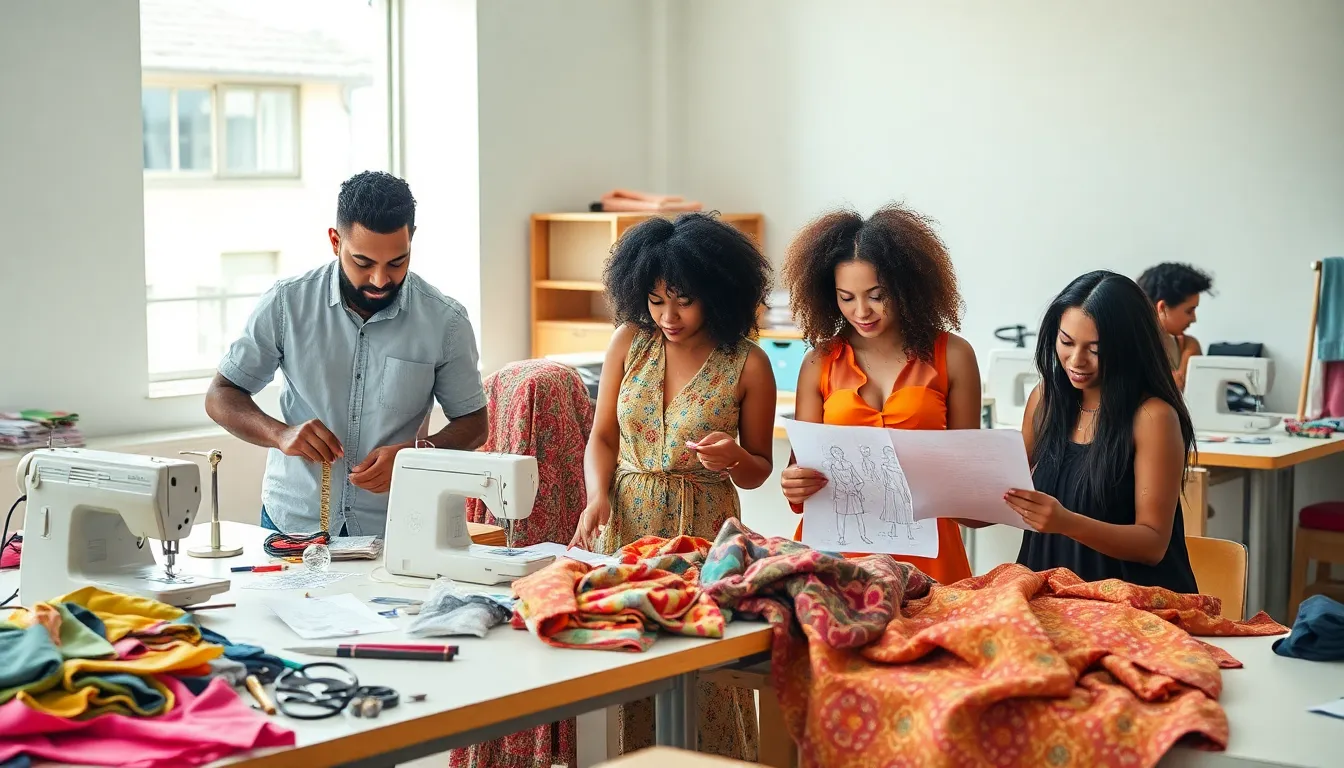
Workshop fashion design encompasses several critical elements that contribute to the development of aspiring designers. These elements include an array of materials and tools as well as essential techniques and skills.
Materials and Tools
Materials and tools play a significant role in workshop fashion design. Common materials include:
- Fabrics: Cotton, silk, denim, and polyester represent various fabric options that participants can choose from based on their design needs.
- Notions: Zippers, buttons, and threads are essential components that enhance garment functionality and aesthetics.
- Tools: Scissors, sewing machines, and rulers are basic tools used for cutting, measuring, and assembling garments effectively.
Access to high-quality materials and tools ensures that designers can execute their visions accurately and efficiently.
Techniques and Skills
Techniques and skills form the foundation of workshop fashion design. Essential areas of focus include:
- Garment Construction: Understanding sewing techniques and assembly methods is critical for creating well-structured clothing items.
- Pattern Making: Learning to draft and manipulate patterns allows designers to customize their garments and ensure a proper fit.
- Textile Knowledge: Familiarity with different fabric properties and care methods influences design choices and enhances product quality.
Developing these skills through hands-on practice and mentorship prepares participants for real-world challenges, ensuring they thrive in the competitive fashion industry.
Benefits of Participating in Fashion Design Workshops
Participating in fashion design workshops offers numerous advantages for emerging designers. From networking opportunities to creative inspiration, these workshops foster an environment conducive to growth and skill enhancement.
Networking Opportunities
Networking opportunities abound in fashion design workshops. Attendees connect with industry professionals, including designers, stylists, and manufacturers. Crafting relationships in this setting can lead to internships, collaborations, and job offers that significantly impact a designer’s career trajectory. Sharing ideas with peers also fosters a sense of community and support, enhancing learning experiences. Through these connections, designers gain insights into industry standards and expectations, broadening their professional outlook.
Creative Inspiration
Creative inspiration thrives in the dynamic environment of fashion design workshops. Exposure to diverse perspectives and design philosophies encourages innovation. Participants engage in brainstorming sessions, visualization exercises, and collaborative projects that ignite their creativity. Access to various materials and tools enables designers to experiment with styles and techniques, pushing the boundaries of their artistic capabilities. Such stimuli enhance individual creativity and inspire a deeper exploration of personal style, essential for successful design.
How to Choose the Right Workshop
Selecting the right workshop is essential for maximizing the learning experience and fostering growth in fashion design. Consider various aspects, such as location and instructor credentials, to ensure the best fit for individual needs.
Location and Accessibility
Location plays a vital role in choosing a workshop. Participants should evaluate the proximity of the workshop venue to their home or educational institution. Accessible options minimize travel time and costs, making attendance more feasible. Additionally, consider the availability of public transportation or parking facilities for convenience. For example, workshops situated in major cities often provide better access to resources, networking opportunities, and exposure to the fashion industry.
Instructor Credentials
Instructor credentials significantly impact the quality of the workshop experience. Review the qualifications and experience of the instructors, focusing on their backgrounds in fashion design and industry experience. Instructors with extensive portfolios and teaching experience bring valuable insights and knowledge to the table. It’s essential to verify their connections within the industry, as seasoned professionals may offer mentorship opportunities and an understanding of current trends. Workshops featuring instructors with a strong track record often provide more comprehensive learning experiences, enhancing participants’ skill sets and career prospects.
Workshop fashion design offers invaluable experiences for aspiring designers. These environments not only nurture creativity but also equip participants with practical skills essential for success in the fashion industry. By engaging in hands-on activities and receiving mentorship from seasoned professionals, attendees can confidently navigate the complexities of garment creation and design.
The collaborative nature of workshops fosters connections that can lead to future opportunities. As designers share ideas and techniques, they build a supportive network that encourages growth and innovation. Choosing the right workshop is crucial for maximizing these benefits, ensuring that participants gain the most from their experience. Ultimately, workshop fashion design serves as a powerful catalyst for emerging talent, paving the way for a successful career in fashion.